In 2011 Novak Djokovic went from physically struggling in the later rounds of Grand Slams to winning 3 majors, 10 titles and 53 consecutive matches. The turning point was not a new training program — it was discovering a gluten intolerance and switching to a 100% gluten free diet. In this article, Randy Reynolds shares the story of Djokovic’s transformation and why diet is one of the most underestimated performance factors in tennis. To work on your game with certified instructors at Reno Tennis Center, book a lesson today.
Flashback: Novak Djokovic to 2010
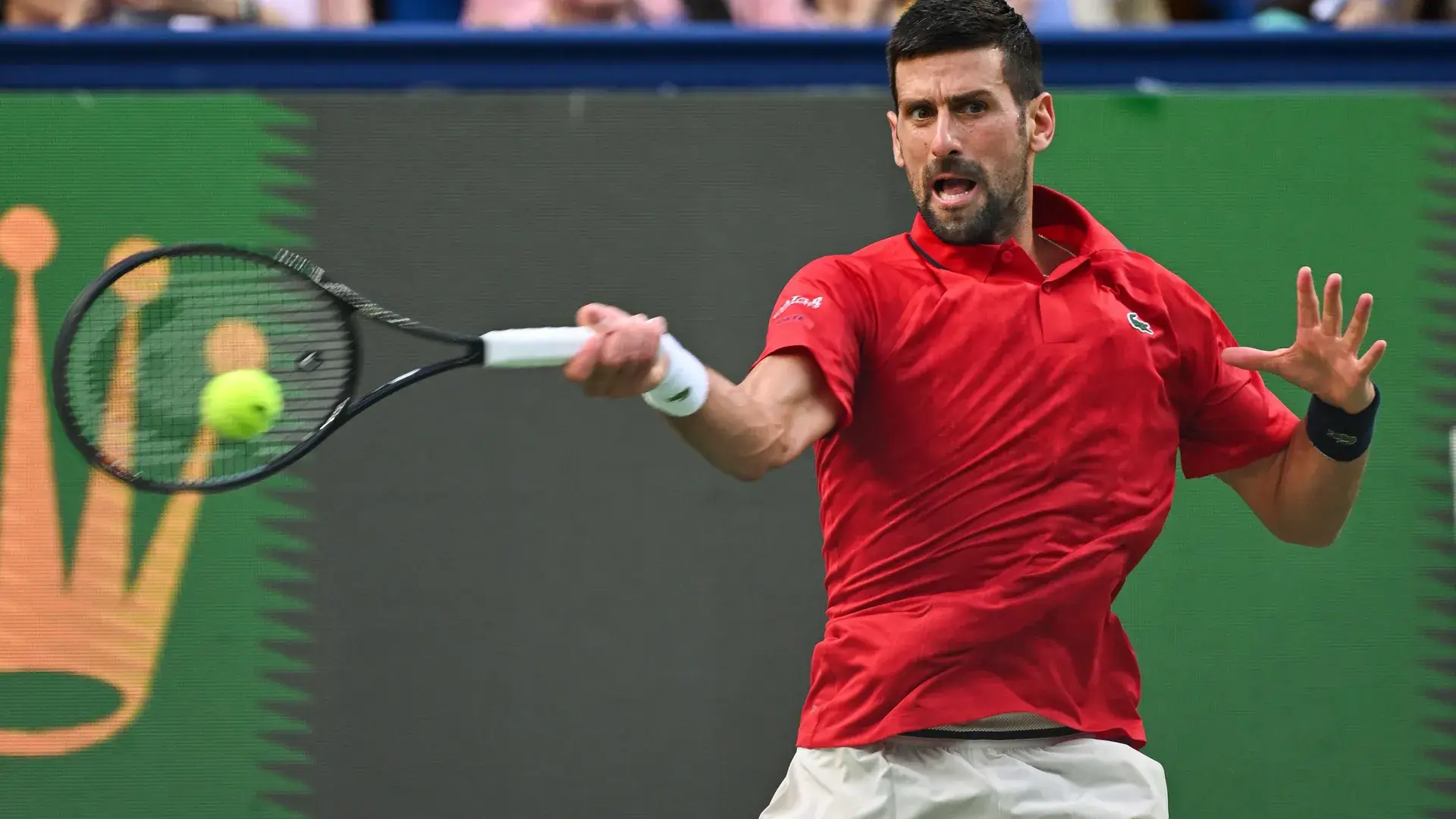
Djokovic before his dietary change — struggling with energy and physical endurance in extended matches.
Who would have thought changing the Novak Djokovic diet would make all the difference?
Think back to 2010 — Djokovic would reach the later rounds of tournament play and appear to be playing exceptional tennis. But when the match got extended or turned into a battle, his energy would fade or he would begin to breathe heavily as if he had asthma.
Key health-related withdrawals before 2011:
- Wimbledon 2008 — withdrew from the semifinal
- Australian Open 2009 — withdrew from the quarterfinal
- U.S. Open 2009 — long injury breaks during the tournament
His post-match interviews consistently attributed the letdowns to health issues. Then everything changed in 2011.
The Big Question

Is Djokovic really what he eats? The data from 2011 suggests the answer is yes.
How did Djokovic go from physically struggling in the later rounds to becoming arguably the fittest tennis player on tour? In 2011 alone he won:
- 3 Grand Slams
- 10 titles
- 53 consecutive matches
Several factors played a role — physical training, rest and diet. However, from personal experience I would say the greatest impact came from a change in the Novak Djokovic diet.
The Novak Djokovic Diet
In early 2010, Djokovic met with Serbian doctor Igor Cetojevic who uncovered that Novak had gluten intolerance. Gluten intolerance is diagnosed by eliminating gluten from the diet — and as a result, symptoms resolve. Gluten is a protein found in grains such as wheat, barley and rye.
What is Celiac Disease?
The Celiac Disease Foundation defines Celiac disease as an autoimmune disorder where ingesting gluten leads to damage in the small intestine. When someone with Celiac disease eats gluten, their immune system reacts and damages the small intestine — preventing nutrient absorption into the bloodstream.
What is the Impact?
Symptoms of gluten intolerance or Celiac disease include:
- Bloating and gas
- Stomach cramps
- Anemia
- Chronic fatigue — from inability to absorb nutrients fully
It is no wonder Djokovic was fatigued during matches prior to his diagnosis. His body was not absorbing all the nutrients he was consuming — he was playing with his gas tank half full.
A Personal Connection
Celiac disease has impacted my family as well. My mom was diagnosed when I was in high school — a dedicated tennis player who one morning couldn’t even jog a mile without stopping. Days later she was tested, diagnosed with Celiac disease, and everything made sense. She is also a registered dietitian, which helped her navigate the transition.
How Common is Celiac Disease and Gluten Intolerance?
| Condition | % of Population |
|---|---|
| Celiac Disease | ~1% |
| Gluten Sensitivity (without Celiac) | ~6% |
Celiac disease is far better known than even a decade ago — and the diagnosis rate continues to rise as public awareness increases.
Novak Djokovic Diet Solution: Gluten Free
The only treatment for Celiac disease or gluten intolerance is a 100% gluten free diet. Key aspects of living gluten free:
- Substitute wheat pastas and breads for rice, corn or oatmeal-based alternatives
- Check every food package for modified food starch or other indicators of gluten content
- Work with a dietitian or nutritionist — Djokovic has a full team supporting his dietary needs
A blood test can screen for Celiac disease — a bowel biopsy may be needed to confirm results. You must be consuming wheat, rye or barley daily before testing to get accurate results.
Is the Novak Djokovic Diet Right for Everyone?
Not all of us need to avoid gluten — unless you have medical reasons or have been advised by your physician. However, Djokovic’s story speaks volumes about the effect diet can have on an athlete’s performance.
Think about the small steps that can be taken in your own lifestyle or diet that may translate into big results for your health and tennis game. For more free training and wellness content visit our tennis training library.
Frequently Asked Questions About the Novak Djokovic Diet
What diet does Novak Djokovic follow?
Novak Djokovic follows a 100% gluten free diet after being diagnosed with gluten intolerance in 2010 by Serbian doctor Igor Cetojevic. He eliminated all gluten-containing foods — including wheat, barley and rye — and replaced them with rice, corn and oat-based alternatives. The change had a dramatic effect on his energy levels, physical endurance and overall performance on tour — culminating in his historic 2011 season.
What is the difference between Celiac disease and gluten intolerance?
Celiac disease is an autoimmune disorder where ingesting gluten causes the immune system to attack and damage the small intestine — preventing nutrient absorption and causing serious long-term complications. Gluten intolerance (non-celiac gluten sensitivity) produces similar symptoms — bloating, fatigue, stomach cramps — but does not cause the same intestinal damage. Both conditions require a gluten free diet for symptom management. About 1% of the population has Celiac disease while approximately 6% have gluten sensitivity without Celiac disease.
Should tennis players try a gluten free diet to improve performance?
A gluten free diet is not necessary for athletes without gluten intolerance or Celiac disease — eliminating gluten without a medical reason does not automatically improve performance. However, Djokovic’s story highlights a broader principle: undiagnosed food sensitivities can significantly limit energy, endurance and recovery without the player realizing why. If you experience persistent fatigue during matches, digestive discomfort after eating, or unexplained energy drops, consulting a physician or registered dietitian is a worthwhile step.
I want to take my game to the next level.
Great tennis starts with the right training and the right habits. Join a program at Reno Tennis Center and work with our certified instructors to build your fitness, technique and game plan.
Leave a Reply